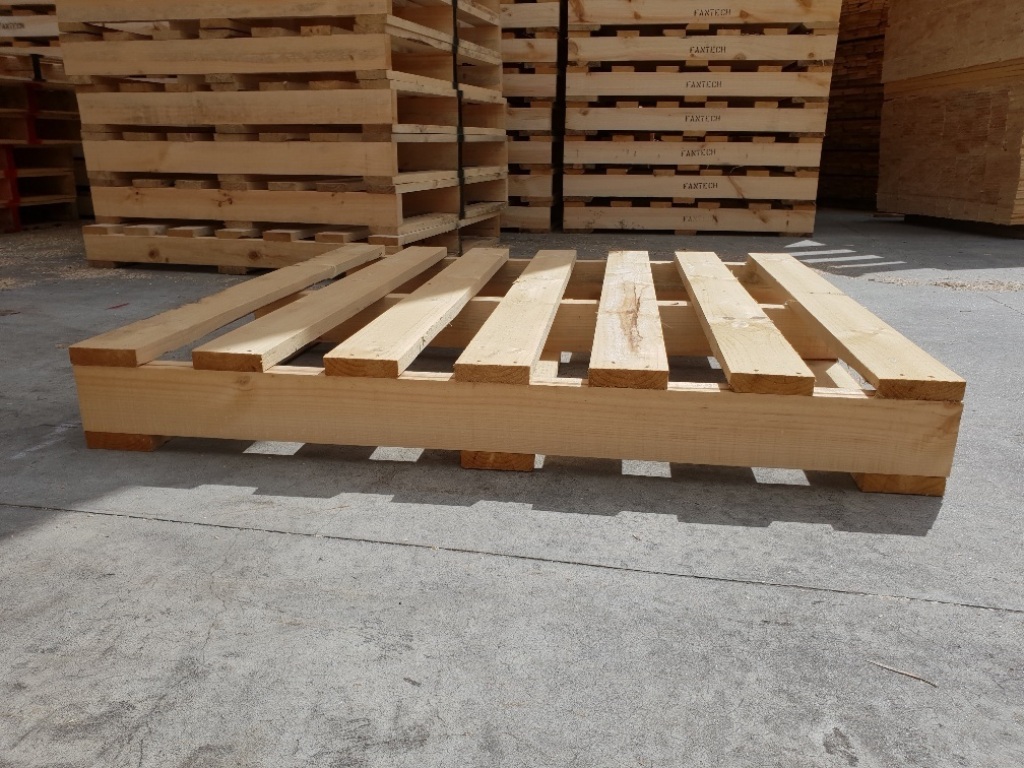
In the realm of logistics and supply chain management, pallets represent a cornerstone of efficient operations. Among the various types of pallets available, standard pallets stand out due to their versatility and widespread usage. Whether you're a logistics professional or a business owner, understanding the nuances of standard pallets can significantly enhance your operational efficiency. This guide delves into the essentials of standard pallets, providing critical insights into their dimensions, materials, and applications.
Understanding Standard Pallets
Standard pallets are the most commonly used pallets in industries worldwide. They are designed to provide a uniform platform for the transportation and storage of goods, making them an integral component of supply chains.
Dimensions and Specifications
The typical dimensions for a standard pallet are 48 inches by 40 inches, which is the standard size in North America. However, different regions may have variations:
- Europe typically uses the Euro pallet, measuring 1200mm x 800mm.
- Australia and New Zealand often use pallets measuring 1165mm x 1165mm.
Understanding these specifications is crucial for businesses that operate internationally, as it affects shipping container efficiencies and storage solutions.
Materials Used in Standard Pallets
Standard pallets can be made from various materials, each offering specific benefits:
- Wood: The most common material, offering durability and ease of repair.
- Plastic: Ideal for environments requiring cleanliness and moisture resistance.
- Metal: Used for heavy-duty applications due to its strength and longevity.
- Composite: A blend of materials, providing a balance of durability and cost-effectiveness.
Applications and Benefits
Standard pallets are utilized across a wide range of industries, including:
- Retail: Facilitating efficient stocking and transportation of goods.
- Manufacturing: Supporting the movement of raw materials and finished products.
- Food and Beverage: Ensuring safe and sanitary transport of consumables.
- Pharmaceutical: Maintaining the integrity and security of medical supplies.
The benefits of using standard pallets include:
- Improved load stability and protection.
- Enhanced operational efficiency through standardized sizes.
- Cost savings in shipping and logistics.
- Ease of handling with forklifts and pallet jacks.
Environmental Considerations
In today’s environmentally conscious world, the sustainability of pallets is a significant consideration. Wooden pallets are often favored for their recyclability and biodegradability. Many companies are opting for pallets certified by programs like the Forest Stewardship Council (FSC) to ensure sustainable sourcing.
Plastic pallets, while not biodegradable, can be recycled and have a longer lifespan, reducing the frequency of replacement. Metal pallets, though less common, offer durability and can be repurposed or recycled at the end of their life cycle.
Conclusion
In summary, understanding the various aspects of standard pallets, from their dimensions and materials to their applications and environmental impact, is essential for optimizing logistics and supply chain operations. By selecting the right type of pallet, businesses can improve efficiency, reduce costs, and contribute to sustainable practices. As the industry continues to evolve, staying informed about pallet innovations and standards remains crucial for maintaining a competitive edge in global markets.