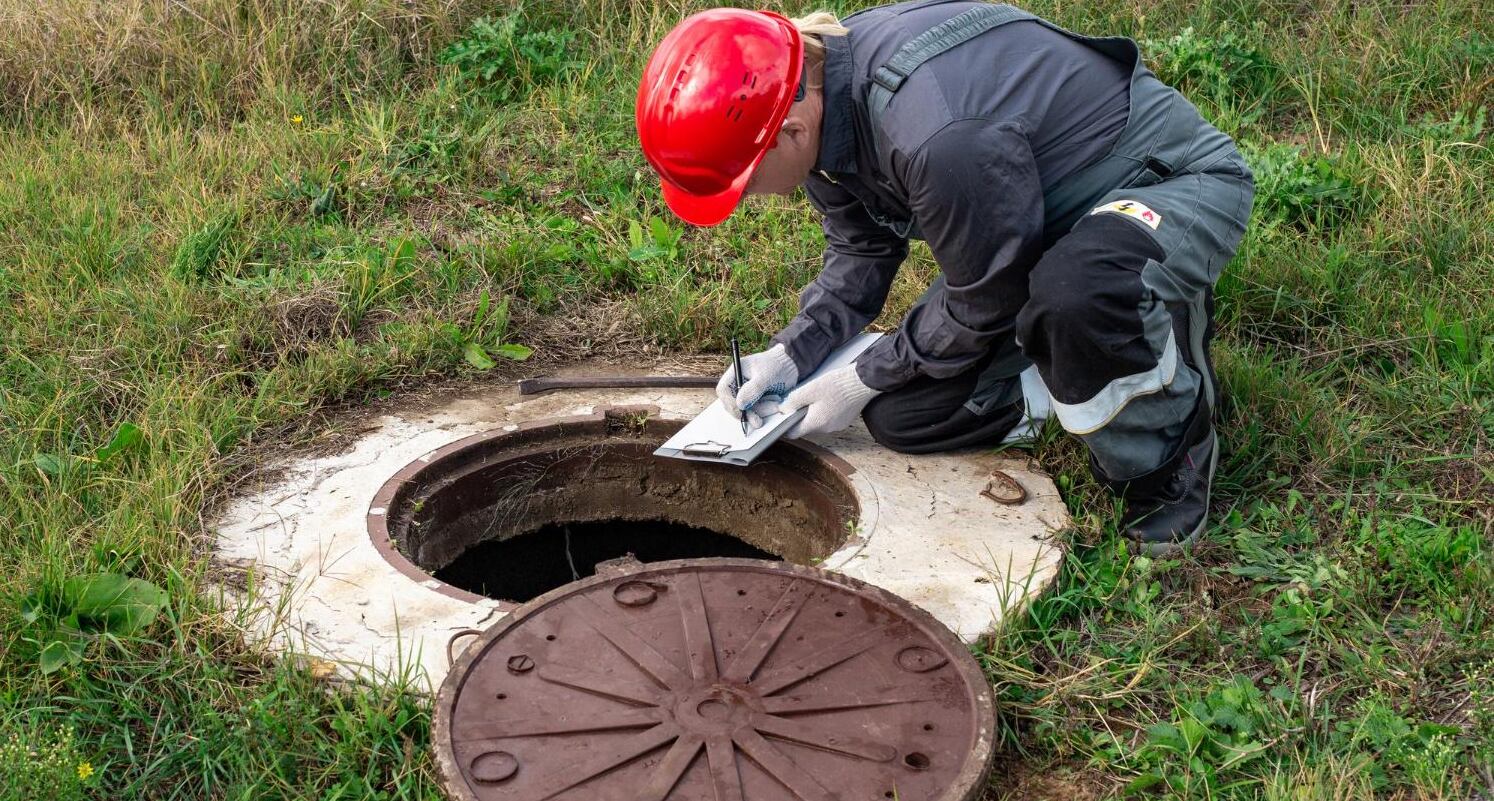
When buying or selling a home with a septic system, a septic home inspection is a crucial step in ensuring the property”?s functionality and safety. Properly preparing for this inspection can save time and prevent potential issues from becoming costly repairs. This guide outlines the key steps to help homeowners and potential buyers prepare effectively for a successful septic home inspection.
Understanding the Importance of Septic Home Inspections
A septic home inspection involves evaluating the entire septic system to ensure it is functioning correctly and is up to code. This process is essential for several reasons:
- Identifying Potential Issues: Inspections can reveal problems such as leaks, blockages, or system failures that need addressing.
- Compliance with Regulations: Ensures the septic system meets local health and safety standards.
- Peace of Mind: Offers assurance that the septic system is in good working condition, which is crucial for both buyers and sellers.
For those considering a septic home inspection, understanding these benefits is vital to appreciating the value of a thorough inspection.
Steps to Prepare for a Septic Home Inspection
Gather System Documentation
Before the inspection, collect all relevant documents related to the septic system. These may include:
- Installation and maintenance records
- Pumping schedules and receipts
- Original plans and permits
Having these documents ready can provide the inspector with essential information about the system’s history and current status.
Ensure Accessibility
To facilitate a smooth inspection process, ensure that all components of the septic system are easily accessible. This includes:
- Clearing any obstructions around the septic tank lids and access points
- Ensuring pathways to the system are clear of debris, vegetation, or other obstacles
Accessibility is critical for a comprehensive inspection and helps the inspector conduct a thorough evaluation.
Conduct a Preliminary Check
Homeowners can perform a basic check prior to the official inspection to identify any apparent issues, such as:
- Unusual odors or sounds around the drain field
- Standing water or soggy areas near the septic tank or drain field
- Slow drainage or backups in the home”?s plumbing
If any of these issues are present, they should be addressed before the inspection to avoid complications.
What to Expect During the Inspection
The inspection process typically involves several key steps:
- Visual Inspection: The inspector will examine all visible components of the system.
- Operational Testing: The inspector may run water through the system to observe its functionality.
- Detailed Report: After the inspection, a detailed report will be provided, outlining any findings and recommended actions.
For more detailed guidance on what to expect, explore additional resources on septic home inspection services.
After the Inspection
Once the inspection is complete, it”?s essential to review the report thoroughly. Consider these steps:
- Address Recommendations: If the report highlights any issues, prioritize addressing them promptly.
- Maintain Regular Care: Establish a routine maintenance schedule to prevent future problems.
- Seek Professional Advice: When in doubt, consult with a professional to understand complex findings.
For those interested in customer experiences, check out customer reviews here to see what others are saying about us.
By following these steps and understanding what to expect, homeowners and potential buyers can ensure a successful septic home inspection, safeguarding their investment and the well-being of the property.