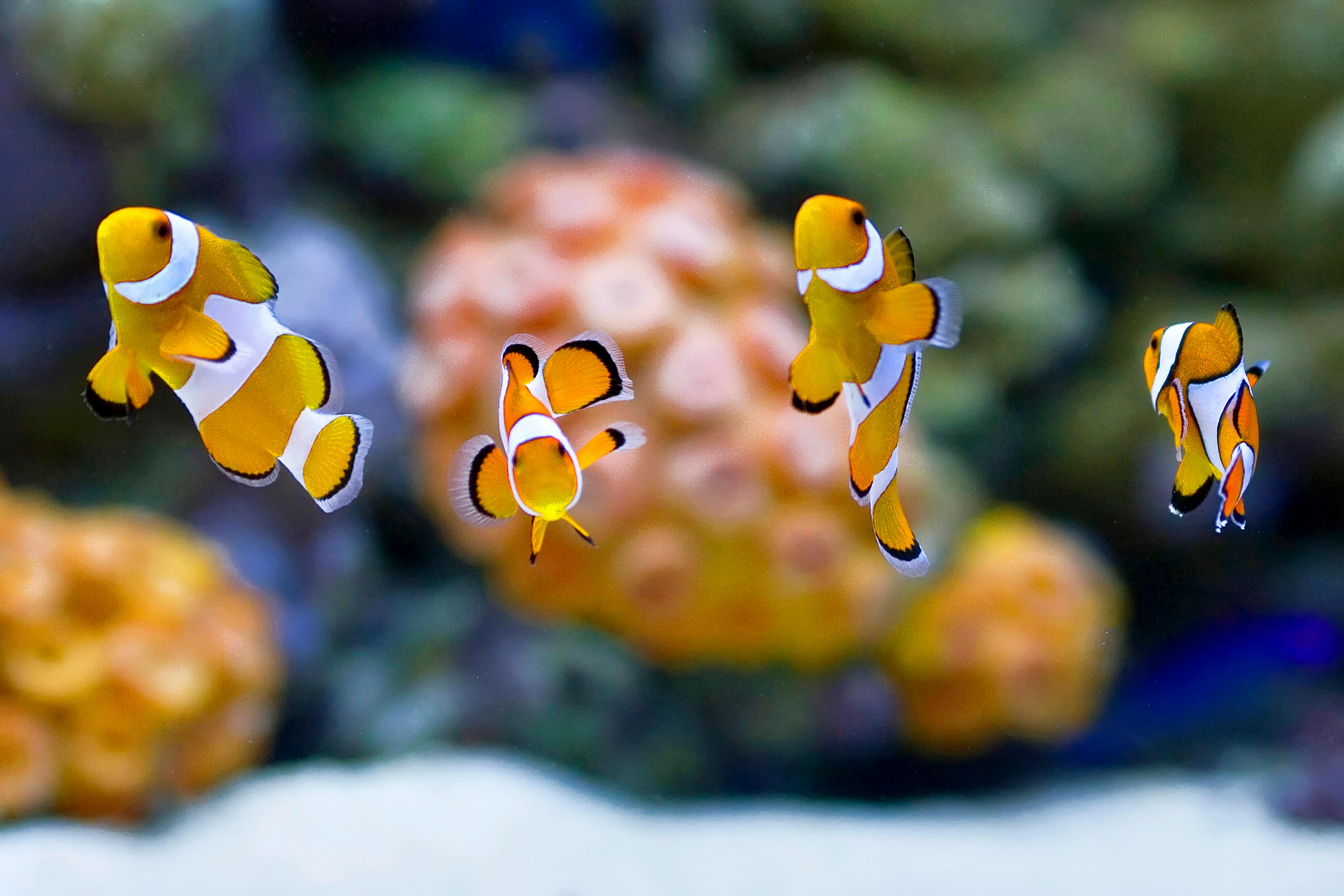
Maintaining an aquarium can be a rewarding and therapeutic hobby. While it offers a glimpse into the underwater world, it also requires dedicated care to ensure the health and well-being of aquatic life. Regular maintenance not only keeps the tank looking pristine but also sustains a balanced ecosystem for the fish and plants. This guide provides some practical tips for DIY aquarium maintenance, helping hobbyists keep their aquatic environments healthy and vibrant.
Understanding the Basics of Aquarium Maintenance
Before diving into specific tasks, it”?s essential to understand the fundamental aspects of aquarium maintenance. This understanding will provide a solid foundation for more advanced care techniques. Read more about this topic.
Water Quality Management
- Regularly test the water parameters, including pH, ammonia, nitrite, and nitrate levels.
- Perform partial water changes weekly or bi-weekly to remove toxins and replenish essential minerals.
- Ensure proper filtration to maintain water clarity and quality.
Maintaining optimal water quality is crucial for the health of aquatic life. Learn more in this detailed guide.
Cleaning and Maintenance Routines
- Use an algae scraper or magnet to clean the glass and remove algae buildup.
- Vacuum the substrate to remove uneaten food and waste, preventing the buildup of harmful substances.
- Rinse filter media in used tank water during water changes to maintain beneficial bacteria.
Ensuring Equipment Efficiency
Regularly inspecting and maintaining aquarium equipment is vital to ensure its efficiency and longevity. This includes heaters, filters, and lighting systems.
Heater and Filter Checks
- Inspect heaters for any signs of malfunction and ensure they maintain a consistent temperature.
- Check filters for clogs and replace or clean filter media as needed.
Proper equipment functioning is critical for a stable aquarium environment. Explore further insights here.
Lighting and Plant Care
- Adjust lighting schedules to mimic natural daylight cycles, promoting healthy plant growth.
- Trim excess plant growth to prevent overcrowding and maintain water quality.
Monitoring Fish Health
Keeping an eye on the health of the fish is a key component of aquarium maintenance. Observing behavior and physical condition can indicate the overall health of the tank.
- Look for changes in behavior, such as lethargy or erratic swimming.
- Inspect fish for signs of disease, including spots, discoloration, or fin damage.
- Isolate and treat sick fish promptly to prevent the spread of disease.
Monitoring fish health regularly helps in early detection of potential issues. Find additional information here.
Conclusion
Maintaining an aquarium is a fulfilling endeavor that requires attention to detail and regular care. By understanding the basics, performing routine checks, and being proactive about equipment and fish health, aquarium enthusiasts can create a thriving aquatic environment. Consistent and mindful maintenance will ensure that both the hobbyist and the aquatic inhabitants benefit from a beautiful and healthy aquarium.