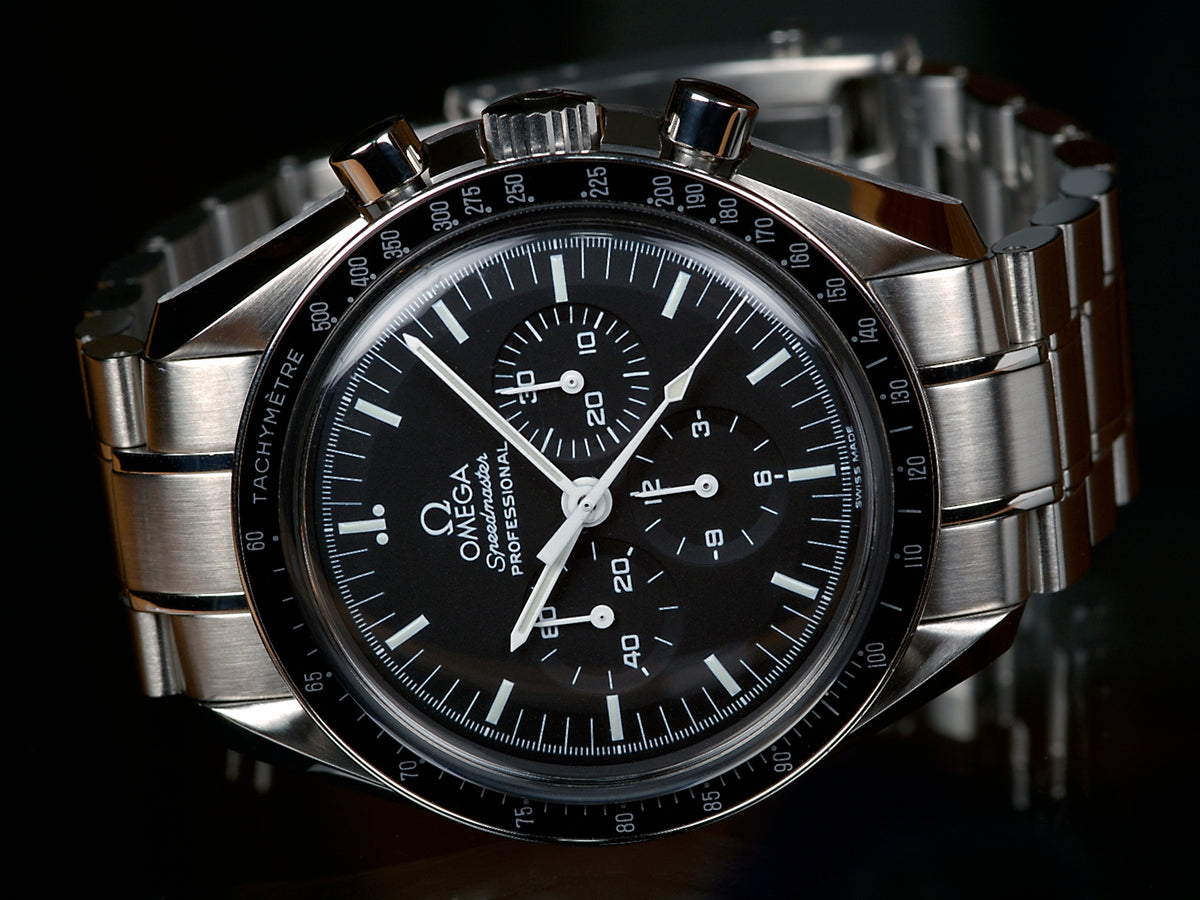
Purchasing a pre-owned Rolex is a nuanced decision that blends passion for horology with practical investment considerations. The market offers a wide range of models, each with its own heritage, design language, and resale potential. Understanding how to evaluate condition, provenance, and pricing is essential for making an informed acquisition that stands the test of time. This guide walks through the critical steps, from assessing authenticity to navigating reputable sales channels, ensuring that collectors and first-time buyers alike can approach the purchase with confidence.
Why Choose a Pre-Owned Rolex?
A pre-owned Rolex often provides a compelling value proposition compared to a brand-new piece. Vintage models may feature unique dial variations or historical significance that new releases cannot replicate. Additionally, the secondary market can present opportunities to acquire discontinued references at more accessible price points.
- Cost efficiency – typically 20-40″?% less than retail.
- Historical appeal – vintage models carry stories and rare features.
- Immediate availability – no waiting for production back-orders.
- Potential appreciation – certain references increase in value over time.
Key Factors to Evaluate
1. Condition and Service History
The overall condition of the case, bracelet, and crystal directly influences both aesthetics and mechanical reliability. A well-documented service history indicates diligent maintenance, which is a strong indicator of longevity.
- Exterior: check for scratches, dents, and corrosion.
- Movement: listen for smooth operation and consistent beat rate.
- Original parts: verify that the bezel, crown, and dial are authentic.
- Service records: request receipts or certificates from authorized service centers.
2. Provenance and Documentation
Authenticity is reinforced by original paperwork, such as the warranty card, purchase receipt, and serial number verification. These documents trace the watch’s lineage and help confirm that the piece has not been tampered with.
Authentication and Documentation
Engaging a qualified watchmaker or a reputable authentication service is advisable before finalizing any transaction. Detailed inspection of the movement, serial numbers, and hallmark placement can uncover subtle inconsistencies that are often missed by untrained eyes.
- Serial and model numbers should match the case back and paperwork.
- Check the crown logo and rehaut engravings for correct font and spacing.
- Inspect the dial printing for clarity and proper alignment.
- Use magnification to examine the movement’s finishing and jewel count.
For a deeper understanding of authentication techniques, Discover expert strategies here.
Pricing and Market Trends
The resale value of a Rolex is influenced by model rarity, age, condition, and market demand. Certain iconic references, such as the Submariner, Daytona, and GMT-Master II, consistently command premium prices. Monitoring auction results and dealer listings can provide insight into current market dynamics.
- Reference numbers: know the exact model you are targeting.
- Year of production: older pieces with limited production runs often appreciate.
- Supply chain: limited availability can drive prices upward.
- Seasonal trends: watch fairs and major releases may affect short-term pricing.
To stay updated on pricing fluctuations, Explore advanced guides and tips.
Where to Purchase Safely
Buying from established platforms reduces the risk of counterfeit or misrepresented watches. Trusted online marketplaces, authorized pre-owned dealers, and reputable auction houses typically provide guarantees, return policies, and authentication services.
- Reputable dealers: look for long-standing businesses with positive reviews.
- Certified pre-owned programs: many offer warranty extensions.
- Auction houses: provide provenance documentation and expert appraisal.
- Private sales: require extra diligence; insist on third-party verification.
For a curated selection of vetted pre-owned Rolex models, Learn about our tailored solutions.
Final Checklist Before Purchase
- Verify serial and model numbers against original paperwork.
- Confirm condition through high-resolution photos or an in-person inspection.
- Obtain a professional authentication report.
- Research recent sale prices for the specific reference.
- Ensure the seller offers a clear return or warranty policy.
By following these guidelines, collectors can navigate the used Rolex market with confidence and secure a timepiece that offers both lasting enjoyment and potential financial appreciation. For additional resources on evaluating luxury watches, Find out more about this approach.