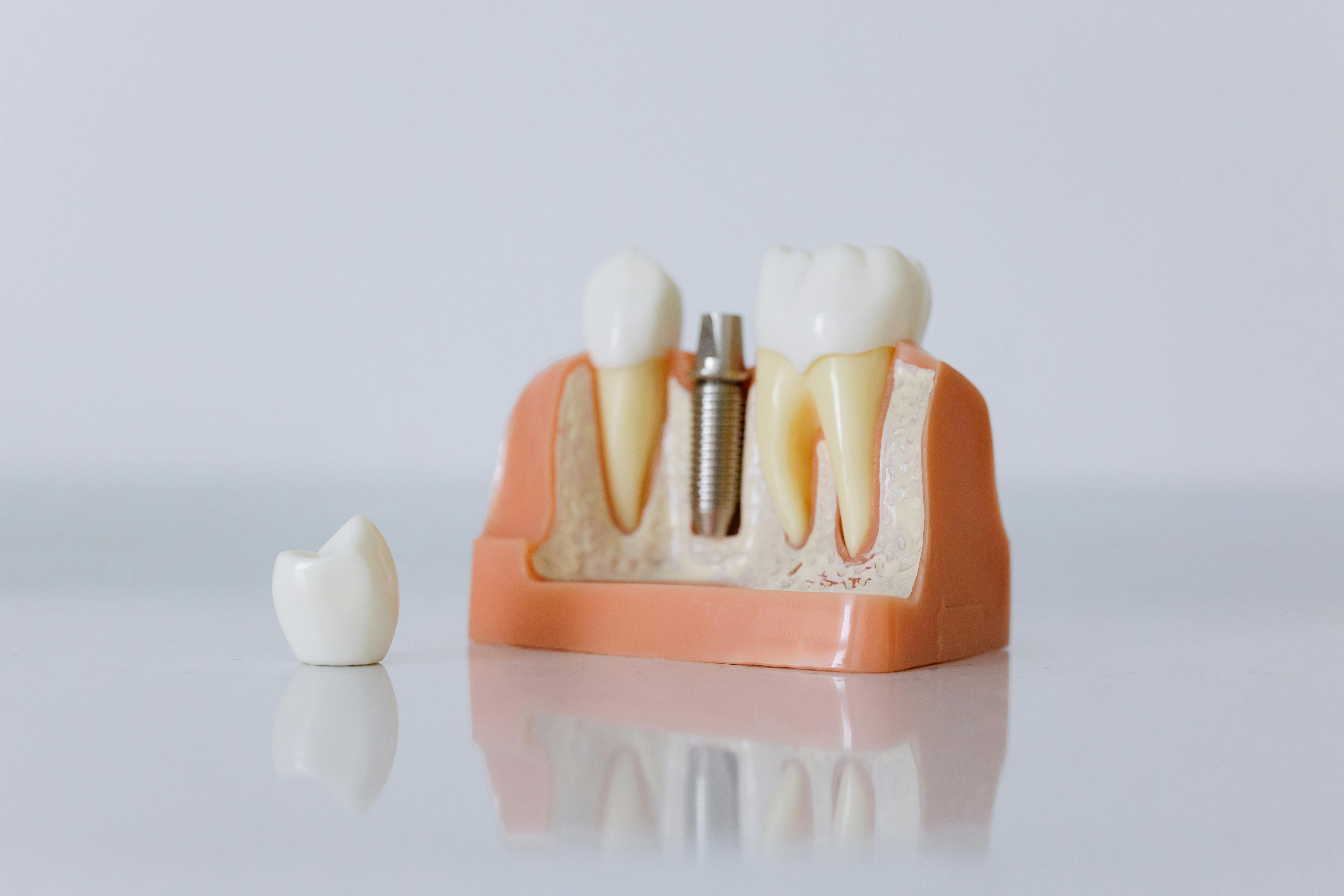
Dental implants have become the gold standard for restoring missing teeth, offering durability, comfort, and a natural appearance. Yet, the cost can feel opaque, especially for patients in the Clark area who are trying to compare options. Understanding the components that make up the total price helps patients make informed decisions and plan financially. This article breaks down each element of the implant expense, clarifies why certain costs appear, and highlights how transparent pricing benefits long-term oral health.
Core Components of Implant Pricing
Implant procedures involve several distinct steps, each with its own material and labor costs. The total fee is the sum of these individual parts, rather than a single, flat charge.
1. Consultation and Diagnostic Imaging
- Initial examination: A comprehensive oral evaluation to assess bone health, gum condition, and overall suitability for implants.
- Radiographs and 3D scans: Cone-beam CT scans provide precise measurements of bone volume and density, essential for surgical planning.
- Model fabrication: Digital or physical models may be created to simulate the final restoration.
These diagnostic services typically range from $150 to $500, depending on the technology used.
2. Surgical Phase
- Implant fixtures: The titanium or zirconium posts placed into the jawbone. Prices vary by brand and design, averaging $1,000-$2,500 per unit.
- Surgical kit and consumables: Drills, guides, and sterile supplies required for a safe operation.
- Surgeon’s fee: Expertise, time, and facility overhead are reflected in this charge, generally $1,200-$2,000 per implant.
- Anesthesia: Local anesthesia is standard; sedation options add $200-$600.
3. Restoration Phase
- Abutment: The connector that links the implant to the crown; custom abutments cost $300-$600 each.
- Crown fabrication: Porcelain or zirconia crowns are milled or hand-crafted, typically $800-$1,500 per tooth.
- Laboratory fees: Precise lab work ensures a perfect fit and aesthetic match.
4. Follow-Up and Maintenance
- Post-operative visits: Monitoring healing and making adjustments; usually $100-$200 per visit.
- Routine care: Professional cleanings and periodic exams to maintain implant health.
Additional Factors Influencing Cost
Beyond the basic components, several variables can increase or decrease the final price.
Bone Augmentation
- When the jaw lacks sufficient density, grafting material and membrane placement may be required.
- Costs range from $500 for minor ridge preservation to $3,000 or more for extensive sinus lifts.
Number of Implants
- Multiple implants often benefit from bundled pricing, but each additional fixture adds material and surgical time.
- Patients replacing an entire arch may explore full-arch solutions, which have distinct pricing structures.
Geographic Location and Practice Overheads
- Clinics in high-cost areas may charge higher fees for rent, staff salaries, and equipment maintenance.
- Practices that invest in advanced technology (e.g., digital workflow, guided surgery) often reflect those costs in their fees.
Transparent Pricing Models
Transparency in dental implant pricing helps patients avoid surprise bills and compare options confidently. Many reputable providers in Clark now publish detailed cost breakdowns on their websites, allowing prospective patients to see exactly what they are paying for. For instance, the implants clark page offers a clear itemized list that separates surgical fees from restoration costs, making budgeting straightforward.
Benefits of Itemized Estimates
- Clarity: Patients understand which services are essential and which are optional.
- Financial planning: Itemized quotes enable the use of dental financing or health-savings accounts.
- Trust building: Open pricing demonstrates a commitment to ethical practice.
How to Evaluate a Quote
- Check that all major categories (consultation, surgery, restoration, follow-up) are listed.
- Verify that the brand and type of implant fixture are specified.
- Look for any potential hidden fees, such as laboratory surcharges or imaging upgrades.
- Ask whether a warranty or guarantee is included in the price.
Financing Options and Insurance Considerations
Dental implants are often considered a major expense, but several avenues exist to make them more affordable.
- In-house financing: Many practices partner with third-party lenders to offer low-interest payment plans.
- Dental insurance: While many policies label implants as “cosmetic,” some coverage may apply to related procedures such as bone grafts.
- Health-savings accounts (HSAs) and flexible spending accounts (FSAs): Pre-tax dollars can be used for qualified dental expenses, reducing the out-of-pocket cost.
Conclusion: Making an Informed Decision
Understanding the detailed cost breakdown for dental implants in Clark empowers patients to weigh the value of each component against their oral health goals. By recognizing the roles of diagnostics, surgical materials, restorative work, and post-operative care, patients can ask targeted questions, compare transparent quotes, and select a solution that aligns with both clinical needs and budgetary constraints. The shift toward clear, itemized pricing, exemplified by resources like implants clark, marks a positive step toward patient-centered care, ensuring that the investment in a lasting smile is both confident and financially sound.