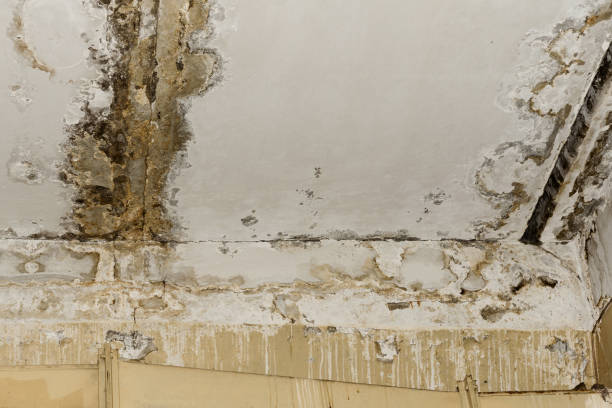
When mold spores infiltrate a home or commercial space, the consequences can range from unpleasant odors to serious health concerns and structural damage. Finding a reliable, certified mold removal service nearby is essential for protecting both property and occupants. This guide explains how to identify qualified professionals, what to expect during the remediation process, and why choosing licensed experts makes a lasting difference.
Why Certified Mold Removal Matters
Certification signals that a technician has completed rigorous training, follows industry-standard protocols, and stays current with evolving regulations. Certified specialists are equipped to assess hidden growth, contain spores, and safely dispose of contaminated materials. Choosing a provider with proper credentials reduces the risk of incomplete removal, which can lead to recurring infestations.
Key Benefits of Certified Professionals
- Accurate identification of mold species and extent of contamination.
- Use of EPA-approved cleaning agents and containment methods.
- Compliance with local health and safety codes.
- Documentation for insurance claims and property resale.
How to Locate “Mold Removal Near Me”
Start by searching online for local providers, but refine the results with specific criteria to ensure quality. Look for businesses that highlight their certifications, customer reviews, and transparent pricing.
Practical Steps
- Enter search terms such as mold removal services near me or Mold Removal near me to generate a list of nearby options.
- Check each company’s website for proof of licensing and affiliations with organizations like the IICRC (Institute of Inspection, Cleaning and Restoration Certification).
- Read recent client testimonials that mention thoroughness, punctuality, and post-remediation testing.
- Verify that the firm offers a free on-site assessment before committing to a full contract.
Understanding the Mold Removal Process
A professional mold remediation typically follows a standardized sequence designed to minimize exposure and prevent cross-contamination.
Step-by-Step Overview
- Inspection & Testing: Certified inspectors conduct a visual survey, moisture mapping, and air sampling to determine the type and concentration of mold.
- Containment: The affected area is sealed off with plastic barriers and negative air pressure units to keep spores from spreading.
- Removal: Contaminated materials that cannot be salvaged (e.g., drywall, insulation) are safely removed and disposed of according to local regulations.
- Cleaning & Disinfection: Surfaces are scrubbed with antimicrobial solutions, and HEPA vacuums are used to capture residual spores.
- Drying & Restoration: Industrial dehumidifiers and air movers eliminate moisture, preventing future growth. Repairs and reconstruction follow as needed.
- Verification: Post-remediation testing confirms that mold levels have returned to normal indoor air quality standards.
Choosing the Right Mold Removal Contractor
Not all remediation firms are created equal. When evaluating potential partners, focus on qualifications, service scope, and communication style.
Evaluation Checklist
- Is the company listed as a licensed mold remediation provider?
- Do they specialize in both residential and commercial projects?
- Are they transparent about the methods and products they use?
- Do they provide a written guarantee for their work?
- Can they supply references from recent mold removal services houston clients?
Cost Factors and Budgeting
Pricing for mold remediation varies based on square footage, contamination level, and required repairs. While it’s tempting to choose the lowest bid, the cheapest option may cut corners on containment or testing, leading to recurring problems.
Typical Cost Drivers
- Extent of mold growth (localized vs. widespread).
- Materials that need replacement (e.g., carpet, drywall).
- Complexity of access (walls, HVAC ducts, crawl spaces).
- Post-remediation air quality testing.
Many reputable firms, including those offering professional mold removal service, provide detailed estimates that break down labor, materials, and testing fees. This transparency helps homeowners compare options and plan financially.
Preventing Future Mold Growth
After remediation, proactive maintenance is the best defense against recurrence. Simple steps can dramatically reduce indoor humidity and moisture intrusion.
Preventative Measures
- Install and regularly service dehumidifiers in basements and high-humidity areas.
- Repair roof leaks, plumbing faults, and foundation cracks promptly.
- Ensure proper ventilation in bathrooms, kitchens, and laundry rooms.
- Use mold-resistant paint in areas prone to moisture.
- Schedule annual inspections, especially after severe weather events.
When to Call a Professional
Minor surface mold (less than 10 square feet) can sometimes be handled with household cleaners, but larger infestations require expert intervention. If you notice any of the following, contact a certified specialist immediately:
- Persistent musty odor despite cleaning.
- Visible discoloration on walls, ceilings, or flooring.
- Allergic reactions such as sneezing, coughing, or skin irritation that worsen indoors.
- Water damage that has not been fully dried within 48 hours.
Engaging a qualified provider for mold removal contractors ensures the issue is addressed safely and thoroughly.
Conclusion
Choosing a certified, experienced professional for mold remediation protects health, preserves property value, and provides peace of mind. By following the guidelines outlined above, verifying credentials, understanding the remediation workflow, and investing in preventive measures, property owners can confidently locate “Certified Mold Removal Near Me” and secure a lasting solution to mold challenges.