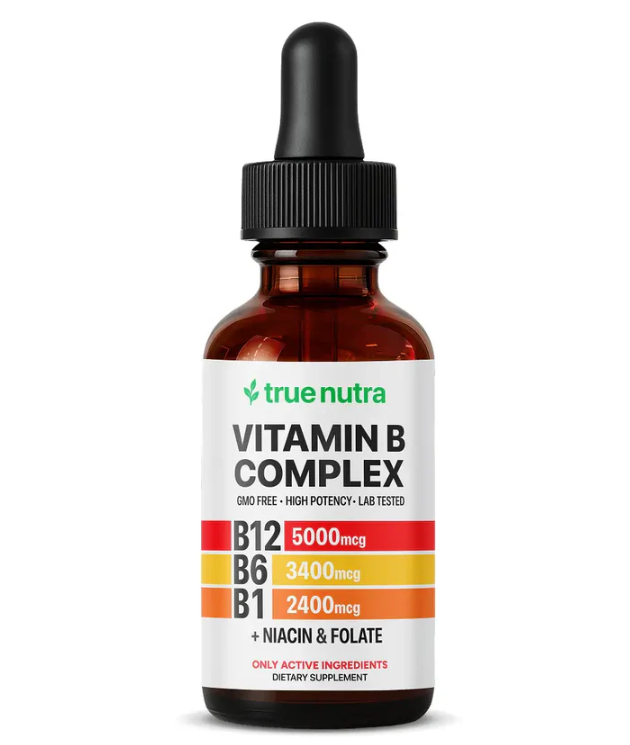
Maintaining radiant skin, strong hair, and resilient nails is often a reflection of overall nutritional balance. Among the many micronutrients that contribute to external beauty, the Vitamin B Complex stands out for its multifaceted role in cellular metabolism, collagen synthesis, and tissue repair. By supporting the body’s natural processes, B-vitamins help preserve the integrity of skin, hair, and nails, making them essential components of any comprehensive wellness regimen.
Understanding Vitamin B Complex
The term “Vitamin B Complex” refers to a group of eight water-soluble vitamins that work synergistically: B1 (thiamine), B2 (riboflavin), B3 (niacin), B5 (pantothenic acid), B6 (pyridoxine), B7 (biotin), B9 (folate), and B12 (cobalamin). Each member plays a distinct biochemical role, yet together they facilitate energy production, DNA synthesis, and the maintenance of healthy skin, hair, and nail cells.
How B Vitamins Support Skin Health
Skin health depends on efficient cell turnover, adequate moisture retention, and protection against oxidative stress. Several B-vitamins directly influence these processes:
- Biotin (B7): Enhances the production of fatty acids that nourish the skin’s lipid barrier, reducing dryness and flakiness.
- Niacin (B3): Improves microcirculation, which promotes a clearer complexion and helps diminish hyperpigmentation.
- Pyridoxine (B6): Regulates hormone-driven oil production, making it valuable for managing acne-prone skin.
- Folate (B9): Supports DNA repair and cell renewal, essential for maintaining a youthful appearance.
Integrating a high-quality Vitamin B Complex into daily nutrition can therefore accelerate skin regeneration and improve overall texture.
Benefits for Hair Growth and Strength
Hair follicles are among the most metabolically active cells in the body, requiring a steady supply of nutrients to produce strong, resilient strands. The B-vitamins contribute in several ways:
- Biotin: Often touted for its role in keratin production, biotin helps create thicker, less breakable hair.
- Pantothenic Acid (B5): Moisturizes the scalp and supports the synthesis of co-enzyme A, a critical factor in hair follicle health.
- Thiamine (B1) & Riboflavin (B2): Enhance blood flow to the scalp, delivering oxygen and nutrients essential for growth.
Clinical observations suggest that individuals with a deficiency in B-complex vitamins may experience diffuse thinning or slow hair growth, underscoring the importance of adequate intake.
Nail Strengthening Effects
Nails are composed primarily of keratin, a protein that relies on specific B-vitamins for synthesis and maintenance. Key contributions include:
- Biotin: Increases nail thickness and reduces brittleness, a benefit supported by several peer-reviewed studies.
- Niacin and Riboflavin: Promote healthy nail beds by improving peripheral circulation.
- Pyridoxine: Assists in the formation of heme, which indirectly supports nail growth through improved oxygen transport.
Regular consumption of a balanced B-complex formulation can lead to visibly stronger nails within a few weeks.
Incorporating Vitamin B Complex into a Daily Routine
Dietary Sources
Whole foods rich in B-vitamins include:
- Whole grains and fortified cereals (B1, B2, B3, B5, B6, B9)
- Legumes such as lentils and chickpeas (B1, B5, B6, B9)
- Eggs, dairy, and lean meats (B2, B5, B6, B12)
- Leafy greens and avocados (B9, B6)
- Nuts, seeds, and fish (B3, B5, B7, B12)
While a varied diet can supply most of the needed vitamins, bioavailability varies, and cooking can degrade some B-vitamins.
Supplement Options
For individuals with increased needs, such as athletes, pregnant women, or those with limited dietary variety, a supplemental B-complex supplement offers a reliable source of all eight vitamins in optimal ratios. Liquid formulations are especially convenient because they are quickly absorbed and can be mixed into beverages without affecting taste.
When selecting a supplement, consider the following criteria:
- Third-party testing for purity and potency.
- Absence of unnecessary fillers or artificial additives.
- Clear labeling of each B-vitamin’s dosage.
Potential Side Effects and Safety Considerations
Because B-vitamins are water-soluble, excess amounts are typically excreted in urine, reducing the risk of toxicity. However, very high doses of certain B-vitamins, particularly B6 and niacin, can cause adverse effects such as nerve irritation or flushing. It is advisable to adhere to the recommended daily allowance (RDA) unless directed otherwise by a healthcare professional.
Individuals with specific medical conditions (e.g., renal disease, certain metabolic disorders) should consult a physician before initiating a high-dose B-complex regimen. Pregnant or breastfeeding women should also seek professional guidance to ensure appropriate dosing.
Conclusion
The Vitamin B Complex serves as a foundational pillar for the health of skin, hair, and nails. By participating in energy metabolism, collagen formation, and keratin synthesis, these eight micronutrients help maintain a vibrant appearance from the inside out. Whether obtained through a balanced diet or a high-quality liquid B-complex formula, consistent intake supports cellular renewal, improves structural integrity, and mitigates common aesthetic concerns such as dryness, brittleness, and thinning. Incorporating B-vitamins into a daily wellness plan is a scientifically backed strategy for anyone seeking lasting, natural beauty.