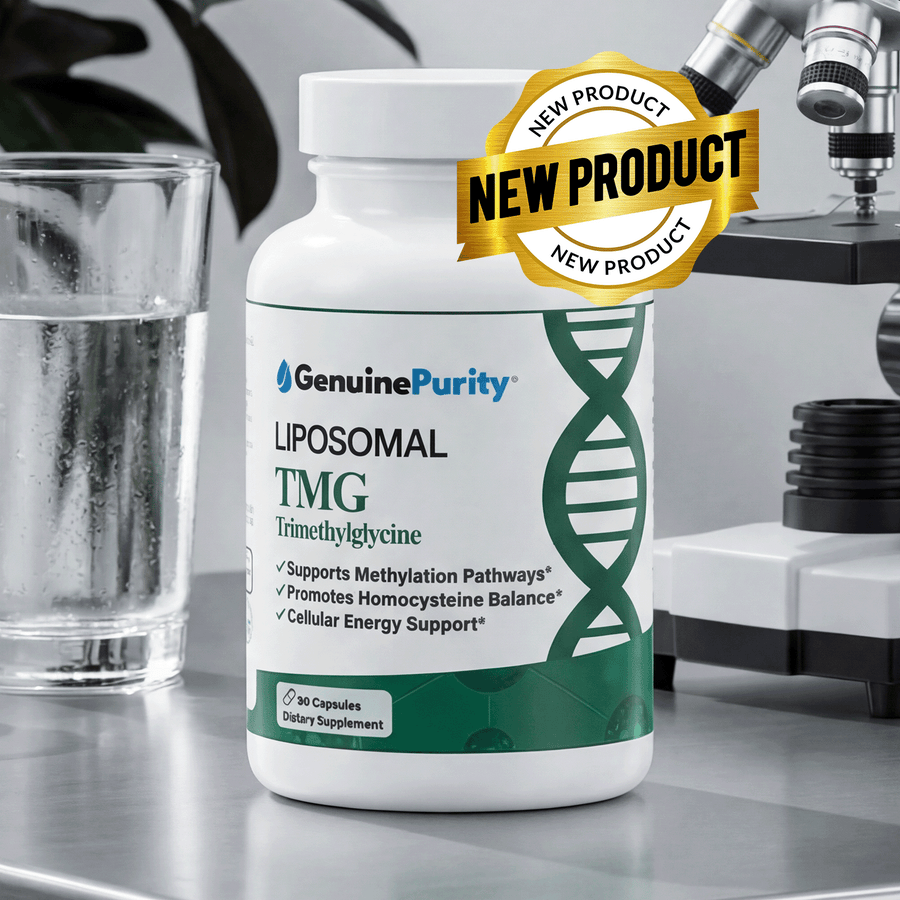
Trimethylglycine, commonly known as TMG, is gaining attention for its role in supporting methylation, liver health, and overall metabolic balance. As research expands, more consumers are looking for a reliable source of this nutrient to complement their wellness routines. This guide breaks down the science behind TMG, outlines optimal dosing strategies, and offers practical advice for selecting a high-quality product, helping readers make an informed decision without feeling overwhelmed.
What Is TMG and How Does It Work?
TMG is a naturally occurring compound found in foods such as beets, spinach, and whole grains. In the body, it serves as a methyl donor, a critical function for converting homocysteine, a potentially harmful amino acid, into methionine, an essential building block for proteins and neurotransmitters. By supporting this pathway, TMG contributes to cardiovascular health, DNA synthesis, and the regulation of gene expression.
Key Biological Functions
- Methylation support: Helps maintain proper methyl group balance, which is vital for detoxification and hormone regulation.
- Homocysteine reduction: Lowers elevated homocysteine levels, a risk factor for heart disease.
- Liver protection: Assists in the metabolism of fats and toxins, promoting healthier liver function.
- Performance & recovery: May improve muscle endurance and reduce exercise-induced fatigue.
Benefits of a High-Quality TMG Supplement
When sourced from a reputable manufacturer, TMG can provide a consistent, bioavailable dose that food alone may not deliver. The most effective forms are encapsulated in a liposomal delivery system, which enhances absorption across the intestinal wall.
Why Choose Liposomal TMG?
- Encapsulation protects the molecule from stomach acid, increasing the amount that reaches systemic circulation.
- Improved bioavailability means lower daily doses can achieve the same effect as higher doses of non-liposomal powders.
- Convenient dosing, typically a few soft gels per day, fits easily into a busy lifestyle.
Recommended Dosage Guidelines
Dosage can vary based on individual needs, age, and health status. Below are general recommendations that align with current research and clinical practice. Always consult a healthcare professional before beginning any new supplement regimen.
Standard Adult Dosage
- Maintenance: 500″?mg to 1″?g per day of TMG, divided into two doses.
- Therapeutic support (e.g., elevated homocysteine): 1″?g to 3″?g per day, split into 2-3 doses.
Special Considerations
- Athletes: 1″?g before training may aid in reducing lactic acid buildup.
- Older adults: Start at the lower end of the range to assess tolerance.
- Pregnant or nursing individuals: Professional guidance is essential.
How to Choose the Best TMG Supplement
Selecting a reliable product involves evaluating several factors beyond price. The following checklist can help narrow the field and ensure the chosen supplement delivers the promised benefits.
Key Selection Criteria
- Formulation type: Look for liposomal trimethylglycine or a verified liposomal delivery system.
- Purity and testing: Third-party lab results (e.g., USP, NSF) confirm potency and absence of contaminants.
- Ingredient transparency: A clear label that lists the exact amount of TMG per serving.
- Manufacturing standards: GMP-certified facilities reduce risk of cross-contamination.
- Customer feedback: Consistently high ratings for efficacy and gastrointestinal tolerance.
Where to Buy
Reputable online retailers that specialize in nutraceuticals often provide detailed product information and easy access to third-party certificates. A well-curated storefront can also offer bundled discounts for those looking to combine TMG with complementary nutrients such as B-vitamins or antioxidants.
Potential Side Effects and Safety Profile
TMG is generally regarded as safe when taken at recommended doses. However, some users may experience mild gastrointestinal discomfort, especially when initiating therapy at higher levels. Adjusting the dose gradually or taking the supplement with meals can mitigate these effects.
- Common mild reactions: Bloating, mild nausea, or a temporary fishy odor in breath.
- Rare concerns: Excessive intake may elevate methionine levels, which could stress the kidneys in susceptible individuals.
- Drug interactions: TMG may enhance the effect of certain antihypertensive or anticoagulant medications; professional advice is advisable.
Frequently Asked Questions
Is TMG the same as betaine?
Yes, TMG is the chemical name for betaine when derived from plant sources. Both terms are used interchangeably in scientific literature and supplement labeling.
Can I take TMG with other methyl donors?
Combining TMG with folate, B12, or choline can provide synergistic support for methylation pathways, but dosages should be balanced to avoid over-methylation.
How long does it take to see results?
Most individuals notice a reduction in homocysteine levels within 4-6 weeks of consistent use, while improvements in energy and recovery may appear sooner.
Conclusion
Choosing a high-quality tmg supplement, preferably in a liposomal format, offers a reliable way to support methylation, cardiovascular health, and overall metabolic function. By following the dosage guidelines, reviewing purity certifications, and monitoring personal response, users can integrate TMG into a comprehensive wellness plan with confidence. For those seeking the most effective option, the best tmg supplement on the market combines scientific formulation with rigorous testing, ensuring both safety and performance.