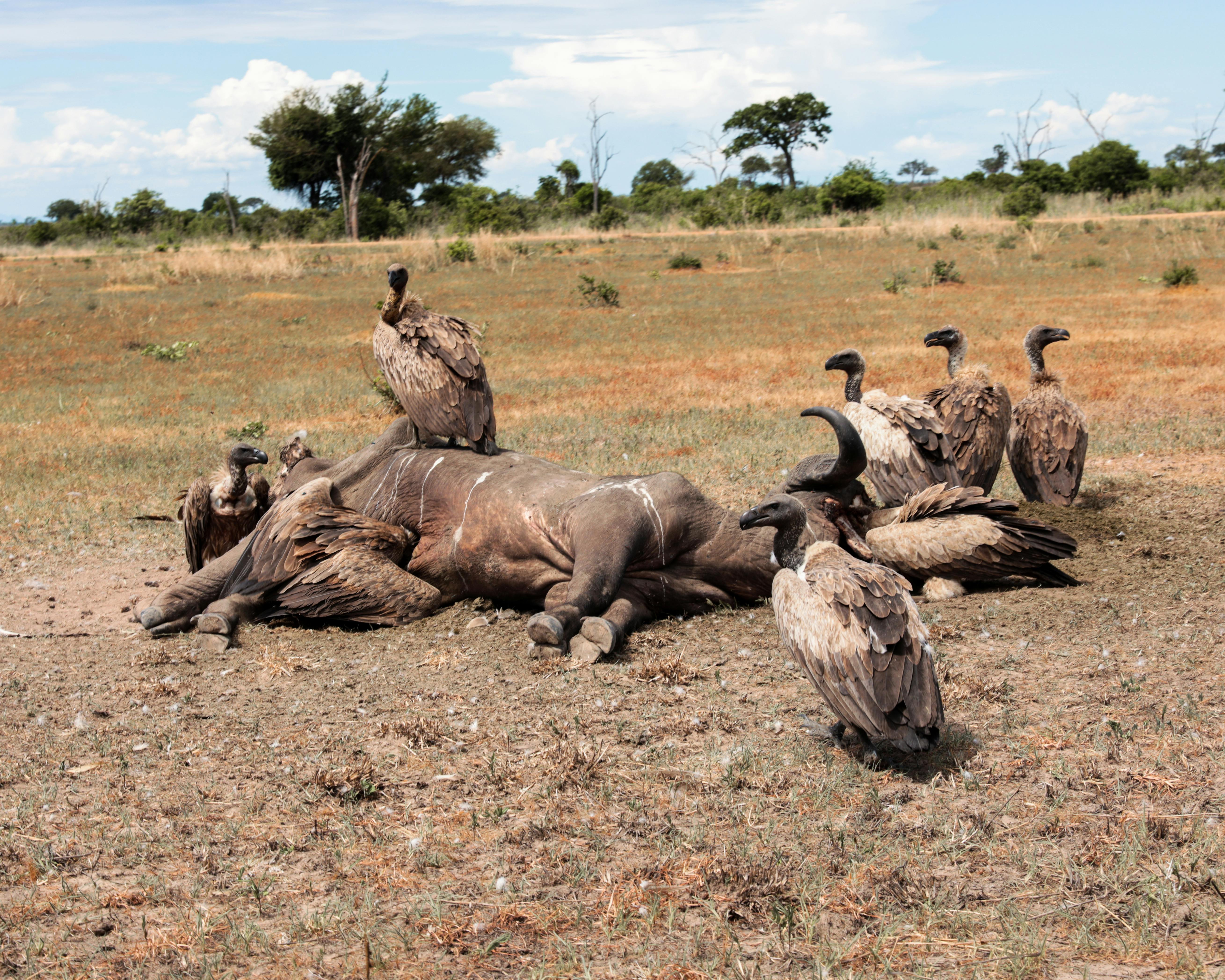
Dealing with dead animals on a property can be a daunting and unpleasant task. The presence of a deceased animal can not only cause distress but also pose serious health risks due to the potential spread of diseases and pests. Therefore, it is crucial to address the situation promptly and effectively. Dead animal removal services offer professional assistance to safely and efficiently manage such incidents, ensuring the safety and hygiene of the affected area. This guide explores the key aspects of dead animal removal services, providing insights into why professional help is essential and how to choose the right service.
Importance of Professional Dead Animal Removal
Professional dead animal removal services are vital for several reasons:
- Health and Safety: Dead animals can harbor harmful bacteria and parasites. Professional removal ensures that these health risks are managed correctly.
- Odor Elimination: Experts use specialized techniques to eliminate offensive odors associated with decomposition.
- Pest Prevention: Decaying carcasses can attract pests such as flies and maggots. Quick removal prevents further infestations.
Learn about our tailored solutions to handle these issues effectively by visiting the dead animal removal services page.
Choosing the Right Dead Animal Removal Service
Selecting the appropriate service provider is essential for effective and safe removal. Here are some factors to consider:
Experience and Expertise
Ensure the service provider has significant experience in handling various types of dead animals. Knowledge about local wildlife and regulations is critical. Discover expert strategies here to ensure your choice is well-informed.
Methods and Equipment
The service should employ humane and environmentally responsible methods. Utilizing advanced equipment ensures thorough and safe removal. Explore advanced guides and tips on the latest removal techniques.
Response Time
Time is of the essence when dealing with dead animals. A quick response prevents further complications such as odor intensification and pest attraction. Find out more about this approach to ensure timely intervention.
Steps in the Dead Animal Removal Process
Understanding the typical steps involved in the removal process can aid in selecting a competent service:
- Inspection: The first step involves a thorough inspection to locate the animal and assess the situation.
- Removal: Once located, the animal is carefully removed using specialized tools and techniques.
- Sanitization: The area is sanitized to eliminate bacteria and prevent odor.
- Deodorization: Professional-grade deodorizers are used to remove unpleasant smells.
For a detailed understanding of each step, find out more about this approach on the service provider’s website.
Conclusion
Dead animal removal is not simply a matter of convenience but a significant concern for health and safety. Professional services offer the expertise and tools necessary to handle these situations efficiently and responsibly. By choosing a reputable service, property owners can ensure that their environment remains safe, clean, and free from potential hazards. For further information and guidance, explore advanced guides and tips available online.