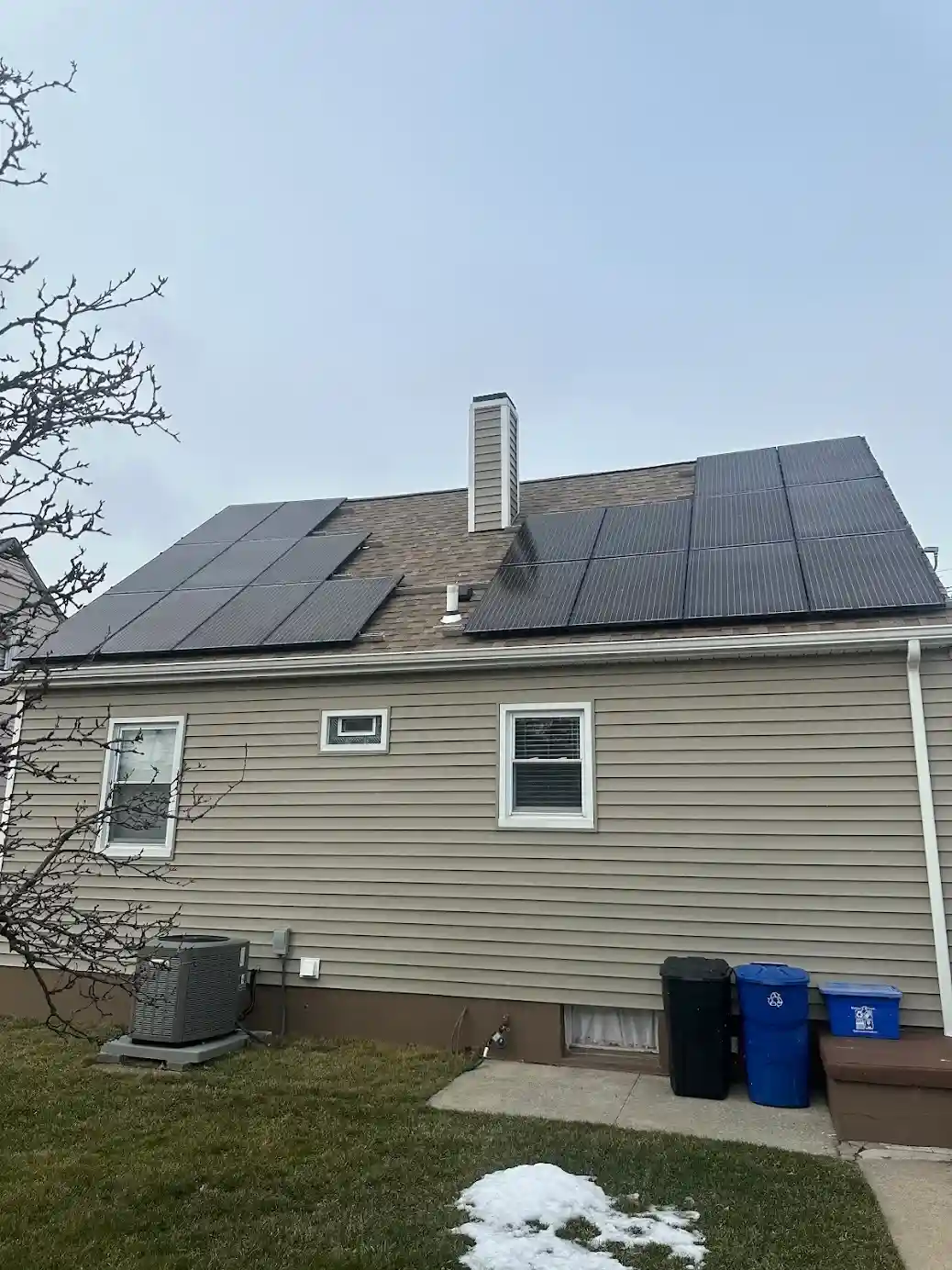
As the world moves towards sustainable energy solutions, solar installations are becoming a popular choice for homeowners. Converting to solar energy is not only environmentally friendly but also offers significant long-term savings. However, the initial cost of solar panel installation can be a substantial financial barrier for many. Therefore, exploring flexible roofing financing options can be a strategic move for homeowners considering solar installation. By understanding the available financing avenues, individuals can make informed decisions that align with their financial situations and energy goals.
Understanding Solar Panel Financing
Solar panel financing allows homeowners to spread the cost of their investment over time, making solar energy accessible to more people. There are several financing options available, each with its advantages and considerations.
Types of Financing Options
- Solar Loans: These are similar to traditional loans, allowing homeowners to borrow money specifically for solar installation. The advantage is immediate ownership of the system, with the ability to benefit from tax incentives. Read more about this topic.
- Leases and Power Purchase Agreements (PPAs): With these options, homeowners do not own the solar panels but pay a monthly fee to use them. This often results in lower initial costs but may not include tax benefits. Explore further insights here.
- Home Equity Loans and Lines of Credit: Homeowners can leverage their property?s equity to finance solar installations. These loans generally have lower interest rates and longer repayment terms. Find additional information here.
Factors to Consider When Choosing a Financing Option
When selecting a financing option for solar installations, several key factors should be taken into account:
- Cost Savings: Consider the long-term savings on electricity bills against the cost of financing.
- Ownership and Incentives: Determine whether owning the system or using a leased one offers more benefits, especially in terms of tax credits and rebates. Learn more in this detailed guide.
- Interest Rates: Compare interest rates across different financial products to find the most affordable option.
- Repayment Terms: Evaluate the flexibility of repayment terms to ensure they fit within your budget.
Benefits of Financing Solar Installations
Opting for financing to install solar panels can unlock several benefits:
- Immediate Savings: Reduce or eliminate electricity bills from the first day of solar operation.
- Increased Home Value: Homes with solar panels often see an increase in property value.
- Environmental Impact: Contribute to a reduction in carbon footprint and support renewable energy initiatives. Explore further insights here.
- Accessible Energy: Make solar energy accessible to a wider range of people by lowering the entry cost barrier.
Conclusion
The shift towards solar energy represents a significant step towards sustainable living. While the initial investment can be daunting, flexible financing options provide a viable pathway for many homeowners. By carefully assessing the various financing choices and considering personal financial situations, homeowners can make informed decisions that not only benefit their finances but also contribute positively to the environment. For those interested in exploring more about solar installation and financing options, they can find additional information here.