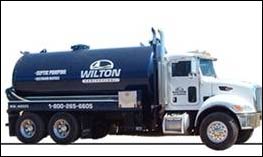
Maintaining a septic system is essential for the health of a property and the environment. Over time, solids accumulate in the tank, reducing its capacity and potentially causing costly backups. Proper cleaning not only extends the life of the system but also ensures safe, efficient operation. This guide outlines the steps, safety precautions, and best practices for cleaning a septic tank, helping homeowners approach the task with confidence.
Understanding Septic Tank Functionality
A septic tank works by separating solid waste from liquid effluent. The solids settle at the bottom, forming sludge, while lighter materials rise to create a scum layer. The middle layer of relatively clear water exits the tank to the drain field. When the sludge or scum becomes too thick, it hampers this natural process, leading to clogs, foul odors, and possible system failure.
Key Components to Recognize
- Inlet and outlet pipes: Direct wastewater into and out of the tank.
- Manhole cover: Provides access for inspection and pumping.
- Baffles or tees: Help control flow and prevent scum from escaping.
- Drain field: Disperses treated effluent into the soil.
When to Schedule a Septic Tank Cleaning
Regular inspections and timely cleaning are the cornerstones of a healthy septic system. While the exact schedule depends on household size, water usage, and tank volume, the following indicators suggest it’s time for service:
- Noticeable slow drainage in sinks, tubs, or toilets.
- Frequent backups or sewage odors near the tank or drain field.
- Visible surfacing of solids in the drain field.
- Every 3-5 years for typical residential use (consult local regulations).
For a deeper dive into scheduling considerations, Read more about this topic.
Safety Precautions Before Starting
Cleaning a septic tank involves exposure to hazardous gases and pathogens. Proper preparation minimizes risk.
- Personal protective equipment (PPE): Wear heavy-duty rubber gloves, safety goggles, waterproof boots, and a respirator or mask rated for hydrogen sulfide.
- Ventilation: Open the manhole cover slowly to allow gases to escape before entry.
- Electrical safety: Ensure all lighting and tools are rated for damp environments.
- Emergency plan: Keep a phone nearby and inform someone of the work schedule.
Step-by-Step Cleaning Process
1. Locate and Access the Tank
Identify the tank’s location using property records or a metal detector if necessary. Remove the manhole cover carefully, watching for sudden gas releases.
2. Inspect Interior Conditions
Visually assess sludge depth, scum thickness, and overall tank condition. Note any cracks, corrosion, or damaged components that may need repair.
3. Pump Out the Contents
Using a heavy-duty pump, extract the liquid and solid waste. The goal is to remove enough material to expose the tank’s interior walls for cleaning. This step typically requires professional equipment, but understanding the process helps homeowners ask the right questions when hiring assistance.
4. Clean the Tank Walls
After the bulk waste is removed, scrub the interior surfaces with a high-pressure water hose or a specialized septic tank brush. Avoid using harsh chemicals that could disrupt the bacterial balance essential for treatment.
5. Inspect and Repair
Check baffles, tees, and inlet/outlet pipes for wear. Replace any damaged parts to prevent future failures.
6. Restore the System
Close the manhole securely, ensuring the seal is tight to keep out pests and prevent gas leaks. Record the date of service and any observations for future reference.
For a comprehensive overview of each step, Learn more in this detailed guide.
Best Practices for Ongoing Maintenance
- Limit the use of chemicals, oils, and non-biodegradable products that can harm bacterial activity.
- Distribute water usage throughout the day to avoid overloading the system.
- Plant only shallow-rooted vegetation over the drain field.
- Schedule routine inspections at least once a year.
- Keep records of pumping dates, volumes removed, and any repairs performed.
Additional insights on maintaining system health can be found by Explore further insights here.
Environmental Considerations
A well-maintained septic system protects groundwater and reduces the risk of contamination. Proper disposal of the pumped waste at approved facilities prevents soil and water pollution. Moreover, preserving the natural bacterial ecosystem within the tank ensures efficient breakdown of organic matter, minimizing the environmental footprint of residential wastewater treatment.
Conclusion
Cleaning a septic tank safely and efficiently requires preparation, the right equipment, and adherence to best practices. By recognizing warning signs, following systematic cleaning steps, and committing to regular maintenance, homeowners can safeguard their property’s sanitation system and contribute to environmental protection. For further reading and detailed guidance, Find additional information here.