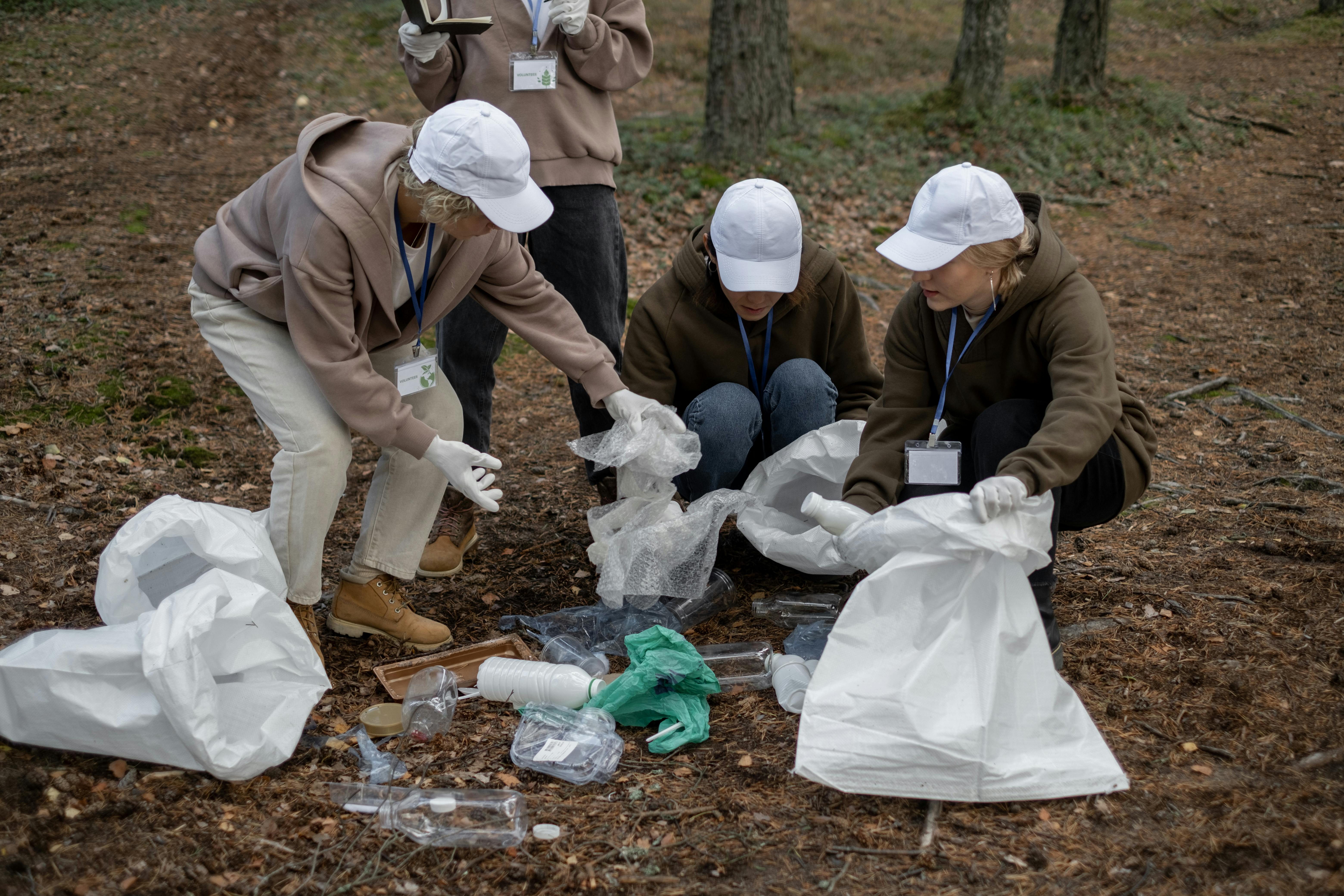
Wildlife plays a critical role in maintaining the balance of ecosystems, but when animals encroach upon human habitats, they can cause significant damage. From agricultural losses to property destruction, the impact of wildlife can be substantial. Understanding how to minimize wildlife damage is essential for protecting personal and commercial interests while ensuring the conservation of animal populations. This guide provides comprehensive strategies for managing wildlife conflicts effectively, using humane and environmentally friendly methods.
Understanding Wildlife Behavior
Before addressing wildlife damage, it is imperative to understand the behavior of the animals involved. Different species have distinct patterns and motives for entering human spaces. Some common reasons include:
- Searching for food or water during scarcity.
- Looking for shelter, especially during harsh weather conditions.
- Expansion of territory due to population growth.
Recognizing these behaviors can aid in developing effective prevention strategies. Explore advanced guides and tips to learn more about specific wildlife behaviors and their implications.
Implementing Preventive Measures
Prevention is the most effective strategy for minimizing wildlife damage. It involves a variety of approaches that can be tailored to specific situations:
Securing Property
- Install robust fencing to deter large animals such as deer and boars.
- Seal any openings in buildings to prevent access by smaller animals like raccoons and rodents.
- Use bird spikes and netting to keep avian species away from vulnerable areas.
Food and Waste Management
- Store food in secure containers and dispose of waste in tightly sealed bins.
- Regularly clean up fallen fruit from trees and leftover pet food.
- Compost piles should be enclosed to prevent attraction of foraging wildlife.
Learn about our tailored solutions for preventing wildlife intrusion through effective property modifications and waste management.
Using Deterrents and Repellents
Deterrents and repellents can be effective in discouraging wildlife from settling in human areas. These include:
- Motion-activated sprinklers or lights to scare off nocturnal animals.
- Ultrasonic devices that emit sounds unpleasant to animals but inaudible to humans.
- Natural repellents made from ingredients like garlic or peppermint oil.
For a comprehensive guide on how to deploy these tools effectively, discover expert strategies here.
Engaging Professional Services
In cases where wildlife damage is extensive or persistent, professional intervention may be necessary. Experts can offer specialized services such as:
- Conducting thorough assessments to identify the extent and cause of the problem.
- Implementing humane trapping and relocation of problematic wildlife.
- Providing ongoing monitoring to prevent future conflicts.
Professional services ensure compliance with local wildlife protection laws and implement solutions that are both effective and humane. Find out more about this approach to managing wildlife damage professionally.
Conclusion
Minimizing wildlife damage requires a multifaceted approach that combines understanding animal behavior, implementing preventive measures, using deterrents, and, when necessary, engaging professional assistance. By adopting these strategies, individuals and businesses can protect their properties while contributing to wildlife conservation efforts. For those seeking to delve deeper into these methods, comprehensive resources are available to guide effective wildlife management practices. Explore advanced guides and tips for more detailed information on preventing and managing wildlife damage.