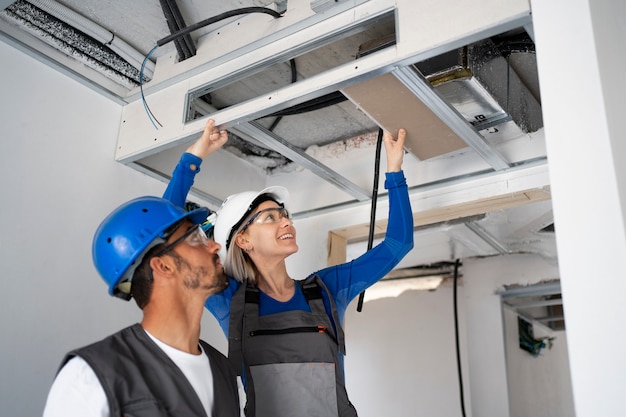
Mold testing is an indispensable step in safeguarding the health and well-being of individuals residing in homes and buildings affected by mold growth. In Grand Rapids, Michigan, where the climate is humid and conducive to mold proliferation, it’s crucial to identify and address mold infestations promptly. The process of mold testing is not only a preventive measure but also a proactive approach to maintaining a healthy indoor environment.
Understanding the Risks of Mold Exposure
Mold exposure can have severe consequences on human health, particularly for individuals with pre-existing respiratory conditions. The presence of mold in a building can exacerbate symptoms such as coughing, sneezing, and congestion, making it essential to identify and remove mold growth as soon as possible. In some cases, prolonged exposure to mold can lead to more severe health issues, including allergic reactions and infections.
Why Mold Testing is Essential
Mold testing serves as the first step in addressing mold growth in a building. This non-invasive procedure involves collecting samples from the affected area and sending them to a laboratory for analysis. The results provide valuable insights into the type of mold present, its concentration, and the potential health risks associated with it. With this information, property owners can develop an effective plan to remediate the mold and restore their building to a safe and healthy condition.
Benefits of Professional Mold Testing
While DIY mold testing kits are available, they often lack the accuracy and reliability of professional testing methods. Trained mold inspectors use specialized equipment to collect samples and analyze the results, providing a comprehensive understanding of the mold situation. This expertise is particularly valuable in complex mold cases, where multiple factors contribute to the growth, such as water damage, poor ventilation, and inadequate maintenance.
Advanced Mold Testing Techniques
In addition to traditional mold testing methods, advanced techniques are now available to detect mold growth. These include thermal imaging, which uses heat sensors to identify areas of moisture accumulation, and moisture meters, which measure the moisture levels in various building materials. By combining these techniques with traditional sampling methods, mold inspectors can provide a more accurate picture of the mold situation and recommend effective remediation strategies.
Mold Remediation and Prevention
After mold testing, the next step is to develop a remediation plan. This involves removing the mold growth, repairing any underlying damage, and implementing measures to prevent future mold growth. A key component of this process is identifying and addressing the root causes of mold growth, such as water damage, poor ventilation, and inadequate maintenance. By taking a proactive approach to mold prevention, property owners can reduce the risk of mold growth and maintain a healthy indoor environment.
Discover expert strategies here
For more information on mold testing, remediation, and prevention, visit Discover expert strategies here. This comprehensive resource provides advanced guides and tips on mold testing, remediation, and prevention, helping property owners make informed decisions about their indoor environment.
Conclusion
Mold testing is an essential step in safeguarding the health and well-being of individuals residing in homes and buildings affected by mold growth. By understanding the risks of mold exposure, the importance of mold testing, and the benefits of professional mold testing, property owners can take a proactive approach to maintaining a healthy indoor environment. With the right strategies and techniques, mold growth can be prevented, and a safe and healthy living space can be ensured.