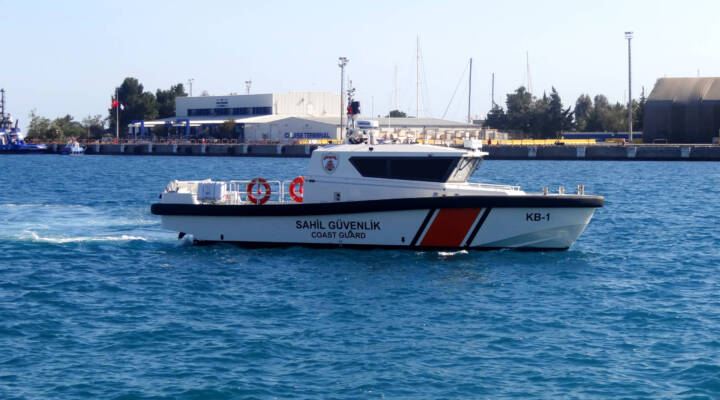
Marine engine exhaust systems are a critical component of any vessel, playing a pivotal role in ensuring operational efficiency and safety. These systems are responsible for expelling combustion gases produced by the engine, thus preventing the accumulation of harmful emissions within the vessel. The design and maintenance of marine exhaust systems require careful consideration of several factors to enhance performance and comply with environmental regulations. This article delves into the key considerations that should be taken into account when dealing with marine engine exhaust systems.
Material Selection
The choice of materials for marine exhaust systems is crucial due to the harsh marine environment. Materials must be resistant to corrosion, high temperatures, and mechanical stresses. Common materials used include:
- Stainless Steel: Known for its corrosion resistance and durability, stainless steel is a popular choice for exhaust systems.
- Fiberglass: Lightweight and resistant to both corrosion and high temperatures, fiberglass is often used in custom applications.
- Aluminum: While less resistant to corrosion, aluminum is lightweight and can be suitable for certain applications.
For further insights on material selection, explore further insights here.
System Design
Exhaust Flow Dynamics
Understanding the dynamics of exhaust flow is essential for optimizing the performance of marine engine exhaust systems. Key factors include:
- Back Pressure: Excessive back pressure can reduce engine efficiency and increase fuel consumption.
- Pipe Diameter: Proper sizing ensures optimal flow and minimizes resistance.
- Bend Radius: Smooth bends prevent turbulence and maintain consistent exhaust flow.
Read more about this topic to understand how exhaust flow dynamics impact system performance.
Noise Reduction
Noise reduction is a significant consideration in marine exhaust system design. Effective noise control can be achieved through several methods:
- Mufflers: Used to dampen sound vibrations produced by exhaust gases.
- Sound Insulation: Adding insulation materials around exhaust piping can further reduce noise.
- Resonators: These components cancel out specific sound frequencies, reducing overall noise levels.
For more detailed guidance on noise reduction strategies, learn more in this detailed guide.
Environmental Compliance
Compliance with environmental regulations is a critical aspect of marine exhaust systems. The following points highlight key compliance considerations:
- Emission Standards: Systems must adhere to regional and international standards to minimize environmental impact.
- Exhaust Treatment: Incorporating catalytic converters and particulate filters can help meet stringent emission requirements.
- Monitoring Systems: Installing sensors and monitoring systems ensures ongoing compliance and performance optimization.
To find additional information on compliance considerations, find additional information here.
Maintenance and Inspection
Regular maintenance and inspection of marine exhaust systems are vital for ensuring reliable operation and longevity. Key maintenance considerations include:
- Regular Inspections: Routine checks for wear, corrosion, and leaks can prevent costly repairs.
- Cleaning: Removing soot and carbon deposits helps maintain optimal performance.
- Replacement of Worn Components: Timely replacement of gaskets, clamps, and other components is crucial.
To explore further maintenance tips, explore further insights here.
Conclusion
Marine engine exhaust systems are a vital aspect of vessel operation, requiring careful attention to material selection, system design, environmental compliance, and maintenance. By focusing on these key considerations, operators can ensure their exhaust systems function efficiently, safely, and in accordance with regulatory standards. For a comprehensive understanding of these systems, learn more in this detailed guide.