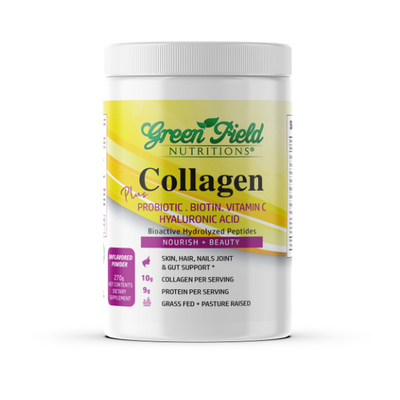
The pharmaceutical industry plays a pivotal role in global healthcare, ensuring the availability of medications that treat, manage, and sometimes cure various ailments. Alongside traditional pharmaceuticals, the supplement industry has emerged, offering products that support overall health and wellness. High-quality supplements are increasingly seen as complementary to pharmaceutical treatments, providing additional benefits to patients and consumers alike. This article explores the importance of quality supplements, how they support the pharmaceutical industry, and the considerations for quality assurance and development.
The Role of Supplements in Modern Healthcare
Supplements have become a staple in modern healthcare, often used to fill nutritional gaps or enhance the efficacy of pharmaceutical products. The integration of supplements into health regimens can offer numerous benefits:
- Providing essential vitamins and minerals that may be lacking in daily diets.
- Supporting immune system functionality, which can be critical when undergoing medical treatments.
- Enhancing the recovery process after surgery or illness by complementing prescribed medications.
These benefits underscore the importance of ensuring the quality of supplements available to consumers. Read more about this topic.
Quality Assurance in Supplement Production
Standards and Regulations
Quality assurance is vital in the production of supplements, with stringent standards and regulations governing their manufacturing. Key aspects include:
- Adherence to Good Manufacturing Practices (GMP) to ensure product safety and consistency.
- Rigorous testing for contaminants and verification of ingredient authenticity.
- Compliance with labeling regulations to provide clear and accurate information to consumers.
These measures are essential to maintain consumer trust and ensure the efficacy of supplements. Explore further insights here.
Innovations in Supplement Development
The supplement industry is continually evolving, with innovations that enhance product quality and consumer appeal. These include:
- The development of bioavailable formulations that improve absorption and efficacy.
- Incorporation of sustainable sourcing practices to meet environmental and ethical standards.
- Advancements in delivery systems, such as timed-release capsules, to optimize benefits.
Such innovations contribute to the alignment of supplement products with consumer needs and pharmaceutical standards. Find additional information here.
Integrating Supplements with Pharmaceutical Products
The integration of supplements with pharmaceutical products can enhance patient care and treatment outcomes. This integration involves:
- Consultation between healthcare providers and patients to identify appropriate supplements that complement prescribed medications.
- Monitoring patient responses to ensure that supplements do not interact negatively with pharmaceutical treatments.
- Educating patients on the correct use and potential benefits of supplement integration.
Such practices highlight the importance of a collaborative approach in healthcare, ensuring that patients receive comprehensive care. Learn more in this detailed guide.
Conclusion
Supporting the pharmaceutical industry with quality supplements is an essential aspect of modern healthcare. By adhering to rigorous quality standards, fostering innovation, and integrating supplements effectively with pharmaceutical treatments, the industry can enhance patient outcomes and contribute to overall wellness. The future of healthcare lies in a holistic approach that embraces both traditional pharmaceuticals and quality supplements, ensuring that individuals receive the best possible care.